Dal Makhani Express
India's legendary buttery black lentil curry, born at Moti Mahal restaurant in Old Delhi in the early 1950s. Creamy, smoky and deeply comforting — the slow simmer is the secret.
Servings
Ingredients
Nutrition
Per serving
Steps
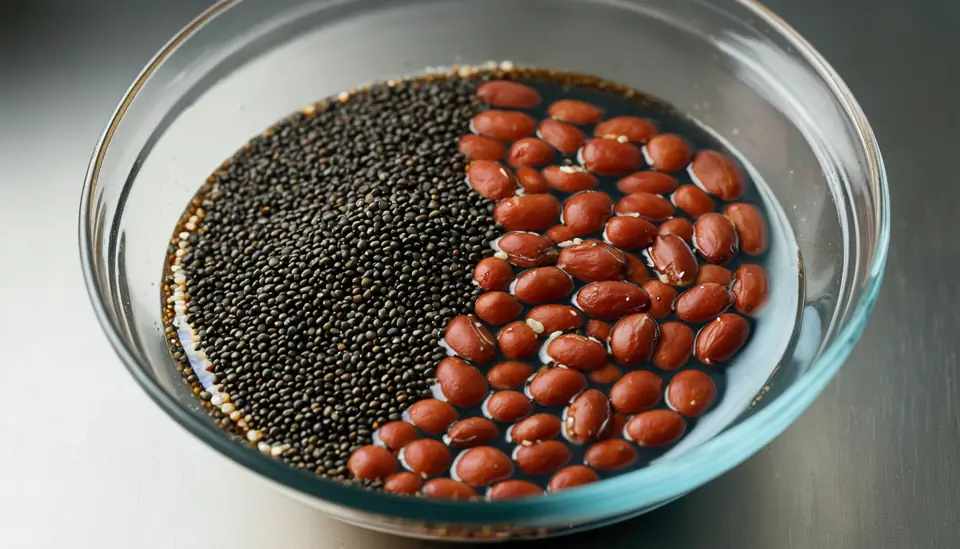
Soak overnight
Rinse the and until the water runs clear, then cover with cold water, about 2-3 in (5-8 cm) above the beans. Soak at room temperature overnight, at least 8 hours; this softens them and shortens the cooking time.
- 1 cup
- 1/4 cup
- 6 cups water for soaking
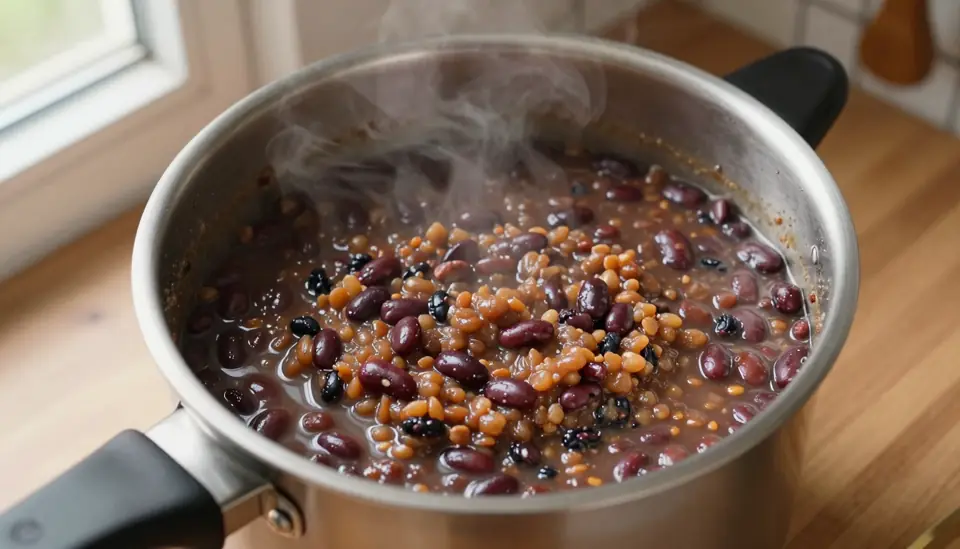
Cook until very soft
Drain and rinse, then put the lentils and beans in a pressure cooker with 4 cups fresh water. Cook on medium heat about 35-40 minutes (10 whistles) and let the pressure drop on its own; in an Instant Pot use 20 minutes on high pressure, or simmer covered 45-60 minutes in a regular pot.
- 1 cup soaked
- 1/4 cup soaked
- 4 cups water
✅ Done when: a lentil mashes completely between your fingers
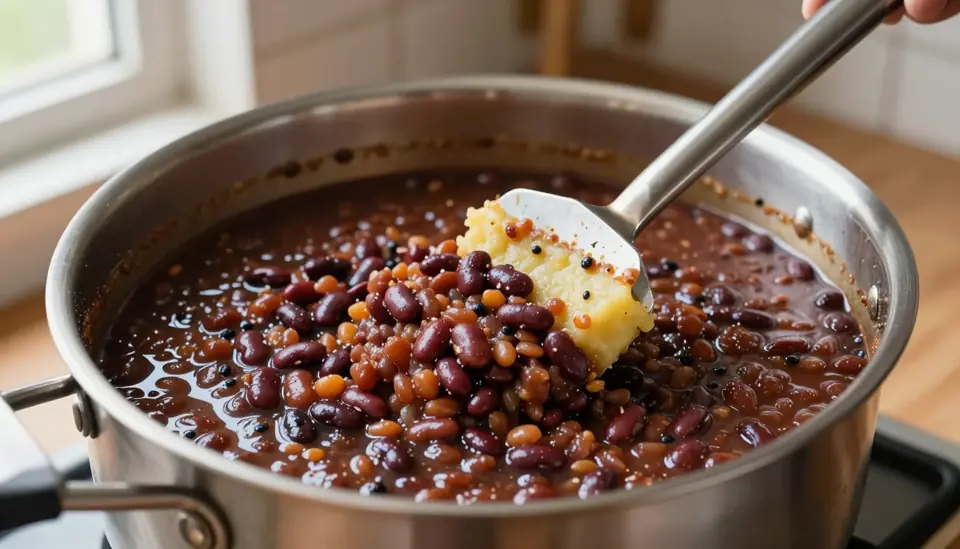
Mash some of the lentils
Mash about one third of the cooked lentils with a potato masher or the back of a spoon, leaving the rest whole. Keep all the cooking liquid; it makes the creamy later.
- about 1/3 of the batch cooked lentils and beans with their liquid, from step 2
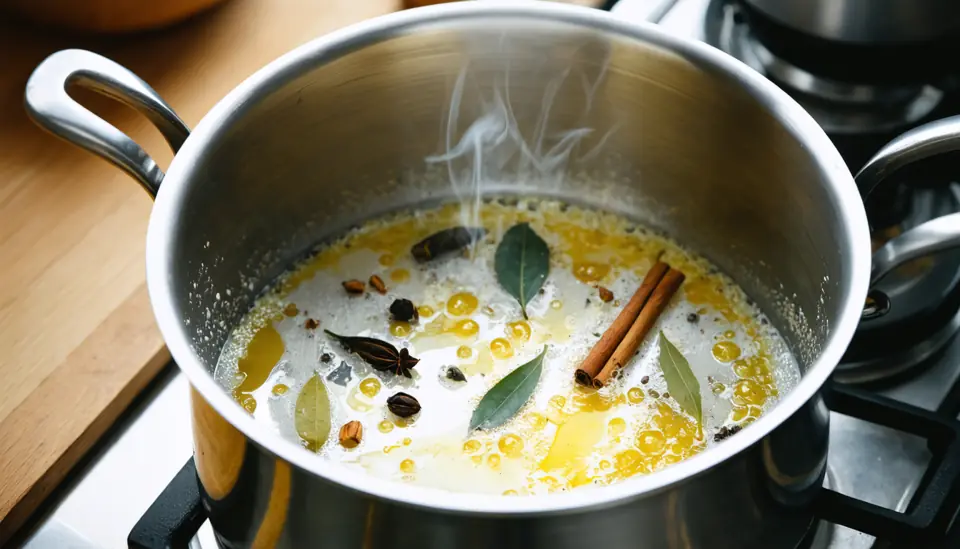
Fry the whole spices
In a large, heavy-bottomed pot (about 4 qt / 4 L, big enough to hold everything for over an hour of simmering), heat the over medium heat. Add the cumin seeds, bay leaf, black cardamom, green cardamom, cloves and cinnamon, and fry 30-60 seconds.
- 2 tbsp
- 1/2 tsp cumin seeds
- 1 bay leaf
- 1 black cardamom
- 2 green cardamom
- 3 cloves
- 1 inch cinnamon stick
✅ Done when: spices sizzle and smell fragrant

Cook the onion
Add the chopped onion and cook on low-medium heat for 7-8 minutes, stirring now and then. Stop while it is light golden; dark brown onion will make the taste bitter.
- 1/2 cup onion
✅ Done when: onion turns light golden
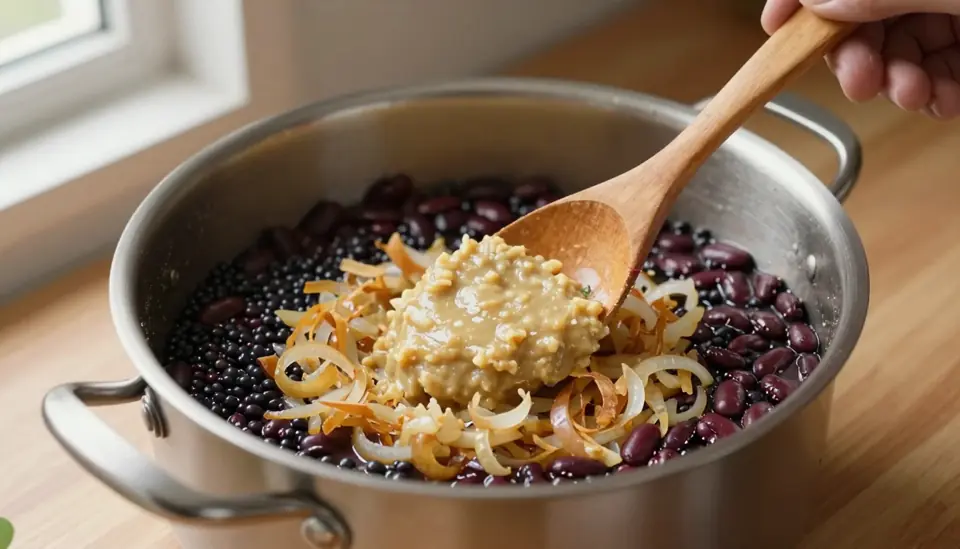
Add the ginger-garlic paste
Add the ginger-garlic paste and stir for 1-2 minutes.
- 1 tbsp ginger-garlic paste
✅ Done when: it no longer smells raw

Make the tomato sauce
Add the tomato purée, Kashmiri chili powder, ground coriander, ground cumin, 1 tsp and the nutmeg. Cook 4-6 minutes, stirring, until the sauce is thick, darker, and oil shows at the edges; do not skip this or the spices will taste raw.
- 1 cup tomato puree
- 1 1/2 tsp Kashmiri chili powder
- 1 tsp ground coriander
- 1/2 tsp ground cumin
- 1 tsp
- 2 pinches nutmeg
✅ Done when: sauce thickens, darkens, and oil separates at the edges
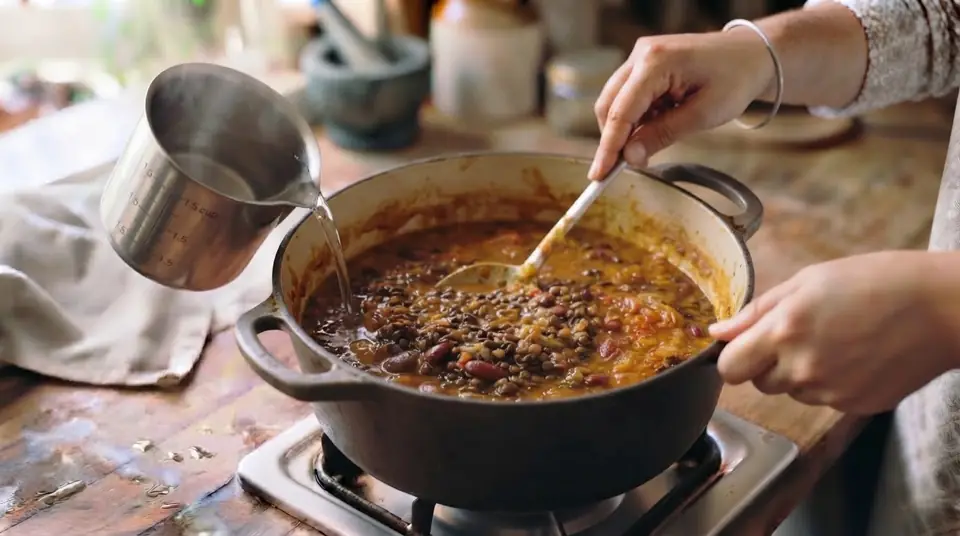
Add the lentils
Add the lentils and all their cooking liquid to the pot and stir well. Add 1-2 cups hot water; the mixture should look a bit thin now, since it will thicken as it cooks.
- all cooked lentils and beans with their liquid, from step 3
- 1-2 cups hot water
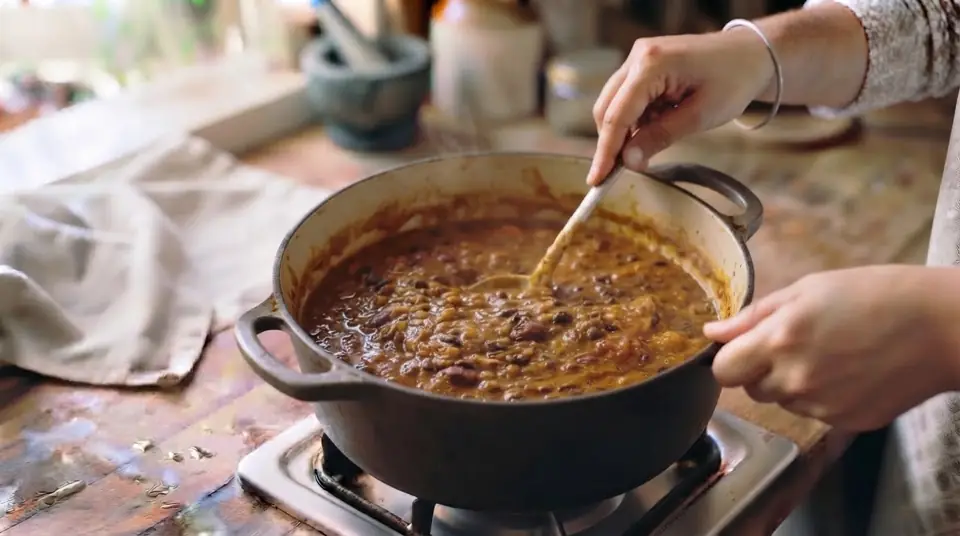
Cook slowly for 90 minutes
Bring to a gentle boil, then turn the heat as low as it goes and cook uncovered for at least 90 minutes, stirring every 3-5 minutes so it doesn't stick or burn. If it gets too thick, add hot water half a cup at a time; the longer it cooks, the creamier it gets.
- as needed hot water
✅ Done when: dal is thick, creamy, and lentils are fully broken down
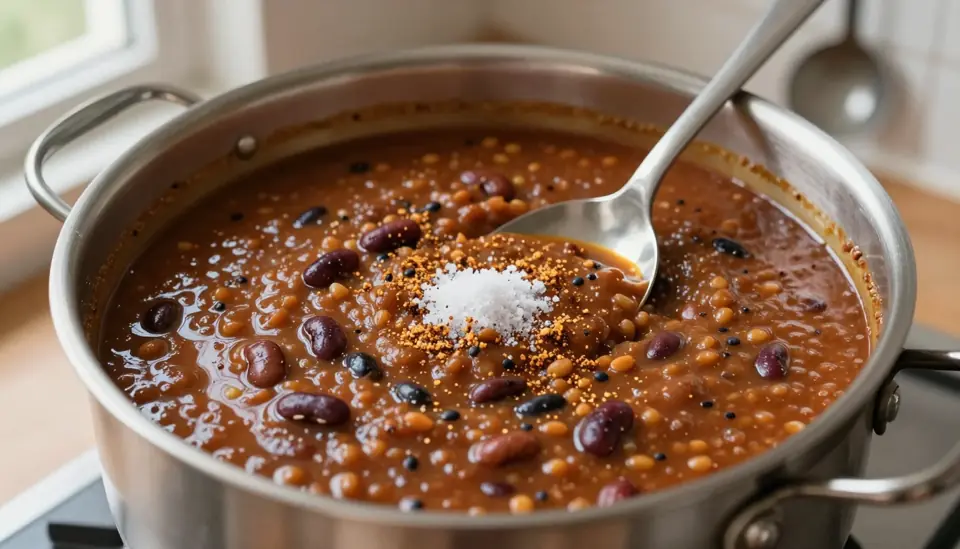
Add salt
Once the is thick and creamy, stir in the salt and the last 1/2 tsp . Taste and adjust; adding salt earlier can keep the beans hard.
- to taste salt
- 1/2 tsp

Add fenugreek, cream and butter
Turn the heat very low. Crush the between your palms and stir it in, pour in the cream, and cook 5-10 more minutes. Turn off the heat, stir in the butter until melted, then top with a swirl of cream, a little butter, cilantro and ginger strips.
- 1 tbsp
- 1/3 cup heavy cream
- 3 tbsp butter
- to taste cilantro, cream, ginger
✅ Done when: butter is melted and the sauce looks glossy
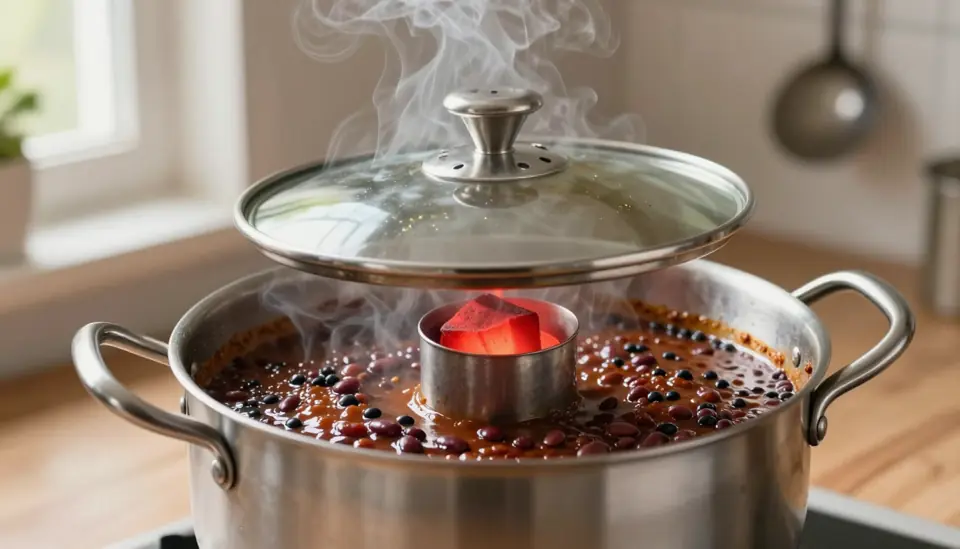
Smoke it (optional)
Hold a small piece of charcoal with tongs over a gas flame 3-4 minutes until it glows red, then set it in a small metal cup or foil bowl on top of the . Pour the over the coal, cover the pot tightly for 1-3 minutes while it smokes, then remove the cup and stir. No charcoal? Use smoked paprika instead of the chili powder in step 7.
- 1 piece charcoal
- 1/2 tsp
✅ Done when: smoke fills the covered pot
Soak overnight
Rinse the and until the water runs clear, then cover with cold water, about 2-3 in (5-8 cm) above the beans. Soak at room temperature overnight, at least 8 hours; this softens them and shortens the cooking time.
- 1 cup
- 1/4 cup
- 6 cups water for soaking
Cook until very soft
Drain and rinse, then put the lentils and beans in a pressure cooker with 4 cups fresh water. Cook on medium heat about 35-40 minutes (10 whistles) and let the pressure drop on its own; in an Instant Pot use 20 minutes on high pressure, or simmer covered 45-60 minutes in a regular pot.
- 1 cup soaked
- 1/4 cup soaked
- 4 cups water
✅ Done when: a lentil mashes completely between your fingers
Mash some of the lentils
Mash about one third of the cooked lentils with a potato masher or the back of a spoon, leaving the rest whole. Keep all the cooking liquid; it makes the creamy later.
- about 1/3 of the batch cooked lentils and beans with their liquid, from step 2
Fry the whole spices
In a large, heavy-bottomed pot (about 4 qt / 4 L, big enough to hold everything for over an hour of simmering), heat the over medium heat. Add the cumin seeds, bay leaf, black cardamom, green cardamom, cloves and cinnamon, and fry 30-60 seconds.
- 2 tbsp
- 1/2 tsp cumin seeds
- 1 bay leaf
- 1 black cardamom
- 2 green cardamom
- 3 cloves
- 1 inch cinnamon stick
✅ Done when: spices sizzle and smell fragrant
Cook the onion
Add the chopped onion and cook on low-medium heat for 7-8 minutes, stirring now and then. Stop while it is light golden; dark brown onion will make the taste bitter.
- 1/2 cup onion
✅ Done when: onion turns light golden
Add the ginger-garlic paste
Add the ginger-garlic paste and stir for 1-2 minutes.
- 1 tbsp ginger-garlic paste
✅ Done when: it no longer smells raw
Make the tomato sauce
Add the tomato purée, Kashmiri chili powder, ground coriander, ground cumin, 1 tsp and the nutmeg. Cook 4-6 minutes, stirring, until the sauce is thick, darker, and oil shows at the edges; do not skip this or the spices will taste raw.
- 1 cup tomato puree
- 1 1/2 tsp Kashmiri chili powder
- 1 tsp ground coriander
- 1/2 tsp ground cumin
- 1 tsp
- 2 pinches nutmeg
✅ Done when: sauce thickens, darkens, and oil separates at the edges
Add the lentils
Add the lentils and all their cooking liquid to the pot and stir well. Add 1-2 cups hot water; the mixture should look a bit thin now, since it will thicken as it cooks.
- all cooked lentils and beans with their liquid, from step 3
- 1-2 cups hot water
Cook slowly for 90 minutes
Bring to a gentle boil, then turn the heat as low as it goes and cook uncovered for at least 90 minutes, stirring every 3-5 minutes so it doesn't stick or burn. If it gets too thick, add hot water half a cup at a time; the longer it cooks, the creamier it gets.
- as needed hot water
✅ Done when: dal is thick, creamy, and lentils are fully broken down
Add salt
Once the is thick and creamy, stir in the salt and the last 1/2 tsp . Taste and adjust; adding salt earlier can keep the beans hard.
- to taste salt
- 1/2 tsp
Add fenugreek, cream and butter
Turn the heat very low. Crush the between your palms and stir it in, pour in the cream, and cook 5-10 more minutes. Turn off the heat, stir in the butter until melted, then top with a swirl of cream, a little butter, cilantro and ginger strips.
- 1 tbsp
- 1/3 cup heavy cream
- 3 tbsp butter
- to taste cilantro, cream, ginger
✅ Done when: butter is melted and the sauce looks glossy
Smoke it (optional)
Hold a small piece of charcoal with tongs over a gas flame 3-4 minutes until it glows red, then set it in a small metal cup or foil bowl on top of the . Pour the over the coal, cover the pot tightly for 1-3 minutes while it smokes, then remove the cup and stir. No charcoal? Use smoked paprika instead of the chili powder in step 7.
- 1 piece charcoal
- 1/2 tsp
✅ Done when: smoke fills the covered pot
The Story Behind the Dish
Dal Makhani was born in the 1940s-50s at Moti Mahal restaurant in Delhi (the same establishment that created Butter Chicken). Kundan Lal Gujral and his team took the humble black lentils (urad dal) and cooked them slowly overnight over a dying charcoal fire with tomatoes, butter, and cream, allowing the flavors to meld into a rich, velvety stew.
The secret lay in the slow cooking process — the lentils were simmered for hours until they broke down completely, absorbing the butter and spices until the dal took on its signature creamy, dark appearance. The name 'makhani' literally means 'buttery.'
Dal Makhani represents the Punjabi philosophy of hospitality and indulgence — a dish that takes time, patience, and generosity to prepare, traditionally made for celebrations and family gatherings.
⭐ Why It's Famous
Dal Makhani is the ultimate comfort food of North India and has become a staple in Indian restaurants worldwide. It demonstrates how simple ingredients — lentils, butter, cream, and spices — can be transformed through patience into something transcendent.
💡 Fun Fact
Purists insist that authentic dal makhani must be cooked overnight on low heat and finished with a dollop of butter immediately before serving. In modern restaurants, it's often referred to as 'Dal Bukhara' after the famous Bukhara restaurant that made it famous.
Punjab, North India
30.38°N, 76.35°E
Related recipes
Comments (0)
No comments yet. Be the first to share your thoughts!