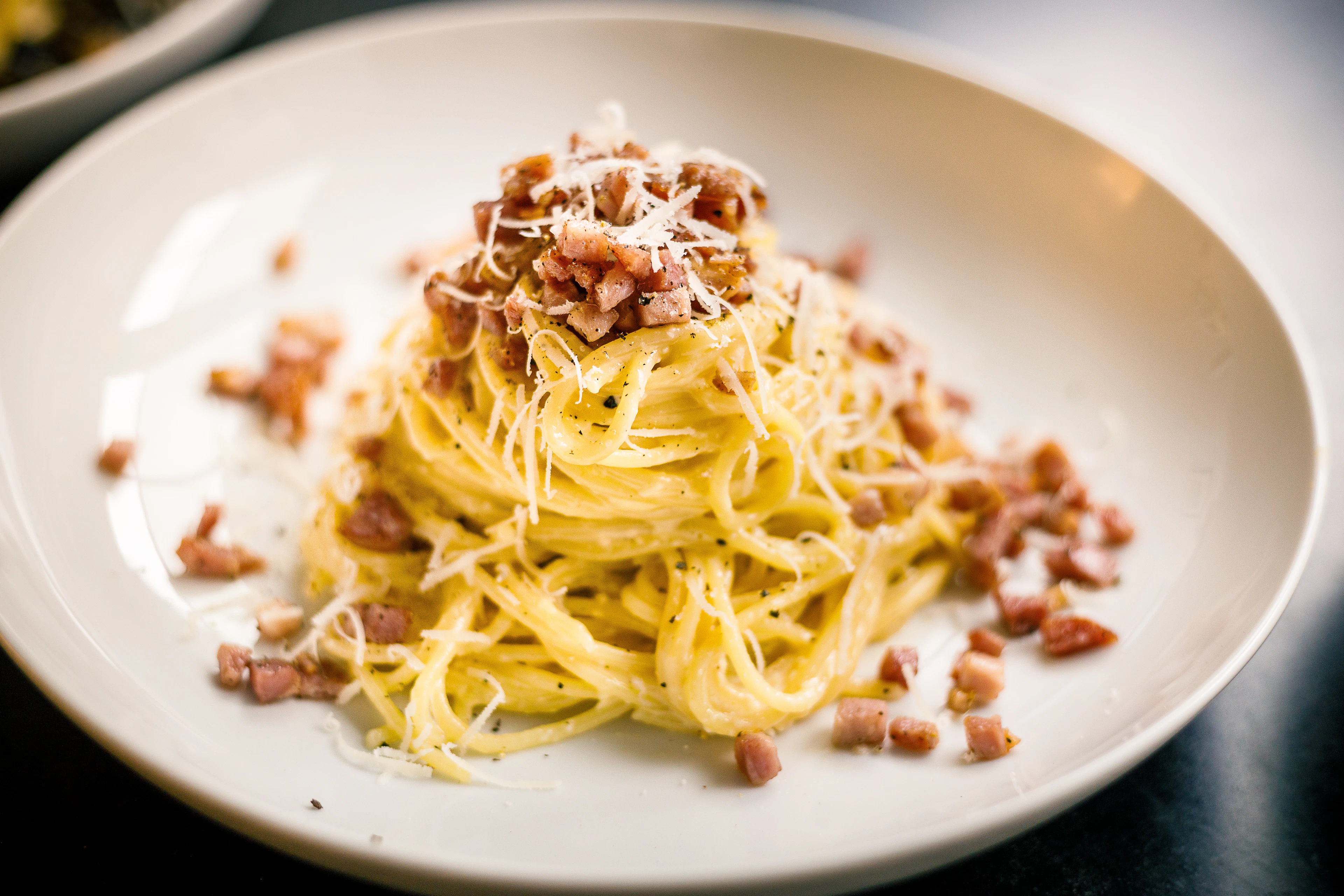
Authentic Roman Pasta Carbonara
The real deal from Rome — silky spaghetti tossed with crispy guanciale, sharp Pecorino Romano, egg yolks, and a generous crack of black pepper. No cream, no shortcuts, just pure tradition.
Servings
Ingredients
Nutrition
Per serving
Steps
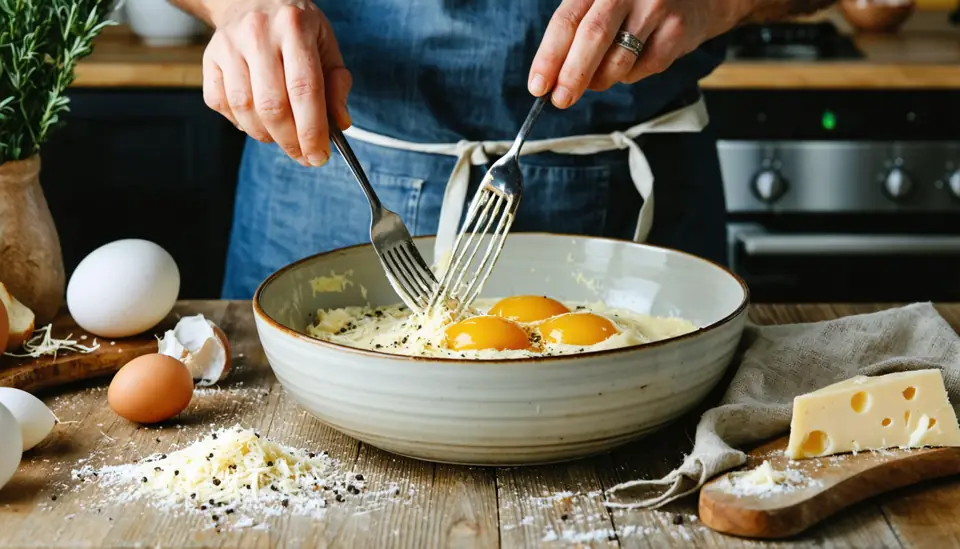
Mix the eggs and cheese
In a bowl, beat the egg yolks, whole eggs and about three-quarters of the grated Pecorino until smooth. Stir in 3/4 tsp of the black pepper. This thick mixture will become the sauce.
- 6 egg yolks
- 2 whole eggs
- 75g (3/4 of total) grated Pecorino
- 3/4 tsp black pepper
✅ Done when: the mixture is smooth and thick, like a loose paste
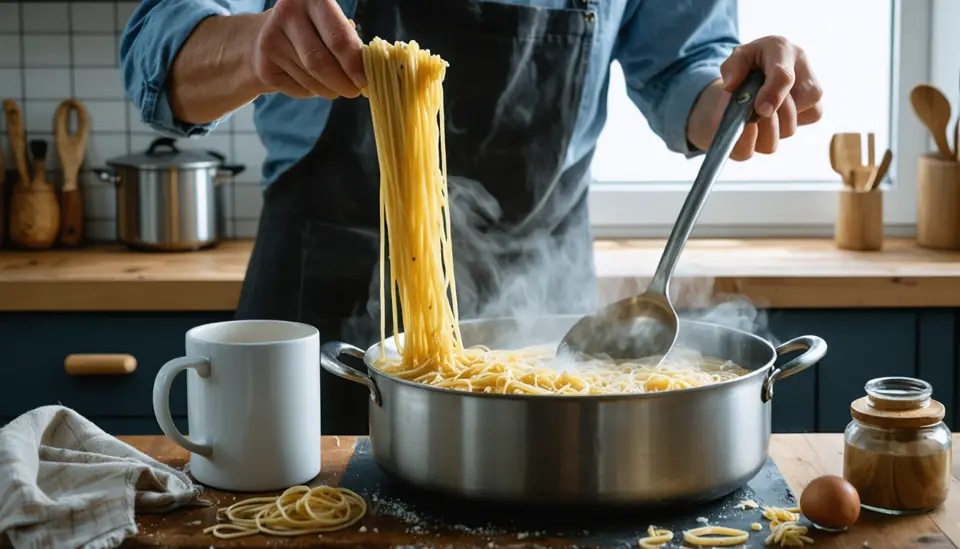
Cook the pasta
Bring the water to a strong boil in a large pot and add the salt. Cook the pasta for 1 minute less than the packet says, so it stays a little firm. Before draining, scoop out a full mug of the cooking water and set it aside.
- 400g pasta
- 1 tbsp salt
- 4 L water
✅ Done when: pasta still feels slightly firm when you bite it
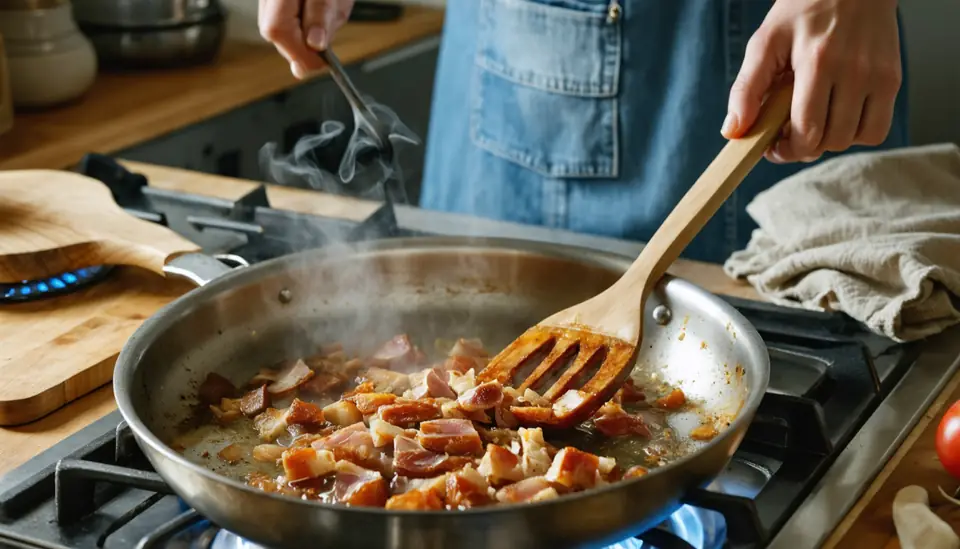
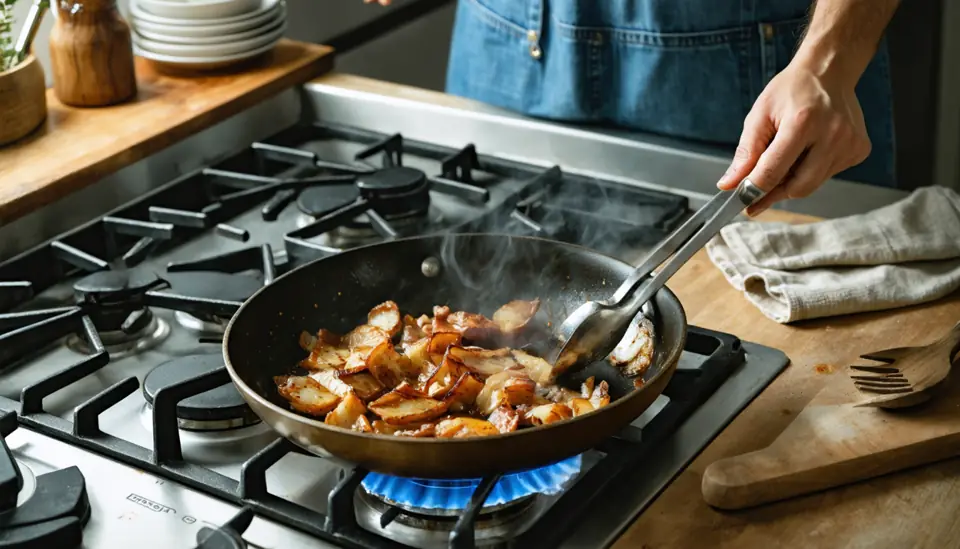
Crisp the guanciale
While the pasta cooks, put the strips in a large frying pan while it is still cold, then turn the heat to medium. Cook for 8–10 minutes, stirring now and then, until the fat melts and the meat turns golden and crispy. No oil is needed.
- 200g
✅ Done when: golden brown, crispy, and sitting in its own melted fat
Let the pan cool a little
When the is crispy, take the pan off the heat completely and let it sit for about 1 minute. If the pan is too hot, the eggs will scramble instead of making a sauce.
✅ Done when: pan feels warm, not sizzling hot, to the back of your hand
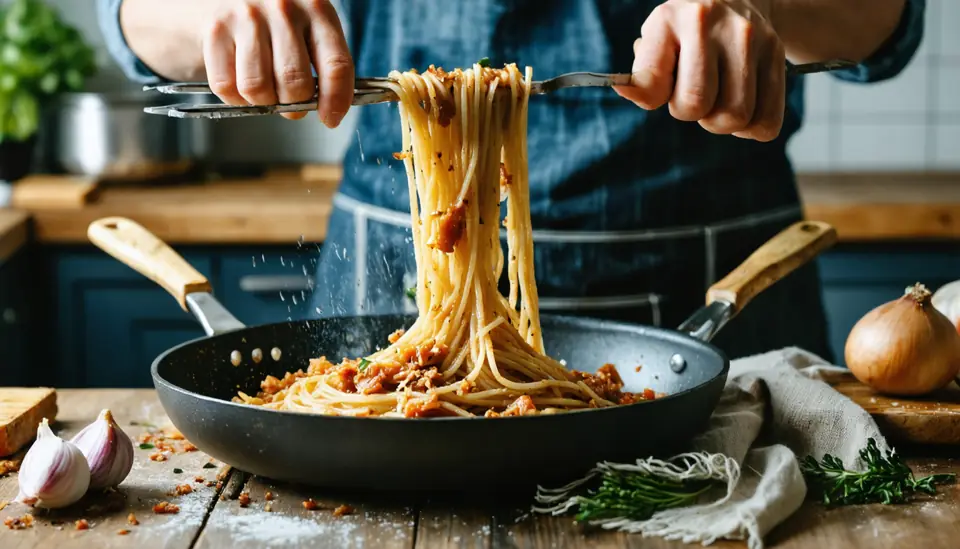
Add the pasta to the pan
Drain the pasta and put it straight into the pan with the and its fat. Toss well with tongs so every strand gets coated.
- 400g cooked pasta
- 200g (all, from step 3) and its rendered fat
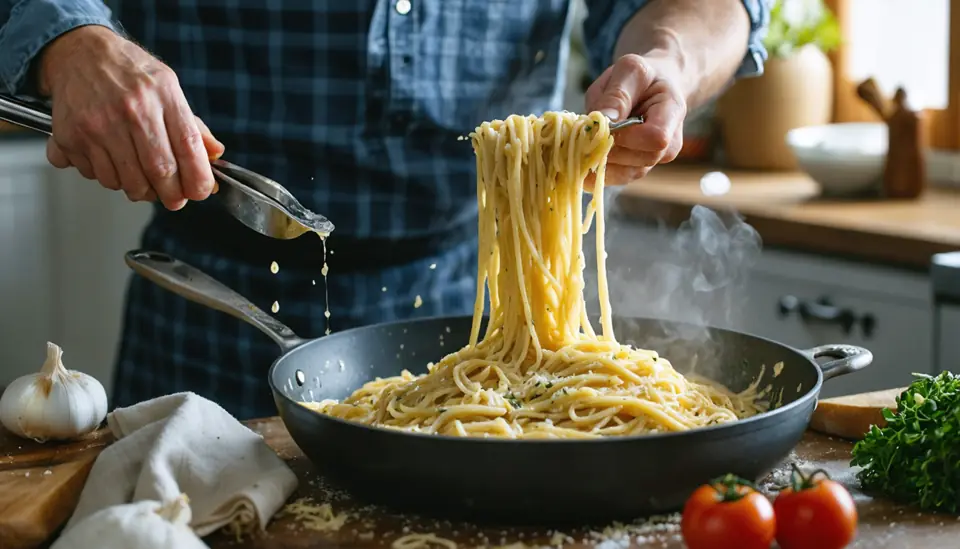
Make the sauce
With the pan off the heat, pour the egg and cheese mixture over the pasta. Toss quickly and nonstop for 30–60 seconds, adding the reserved pasta water a spoonful at a time, until the sauce turns smooth and creamy and clings to the pasta.
- all of it, from step 1 egg and cheese mixture
- a few spoonfuls, as needed, from step 2 reserved pasta water
✅ Done when: sauce is glossy, creamy, and coats every strand without pooling
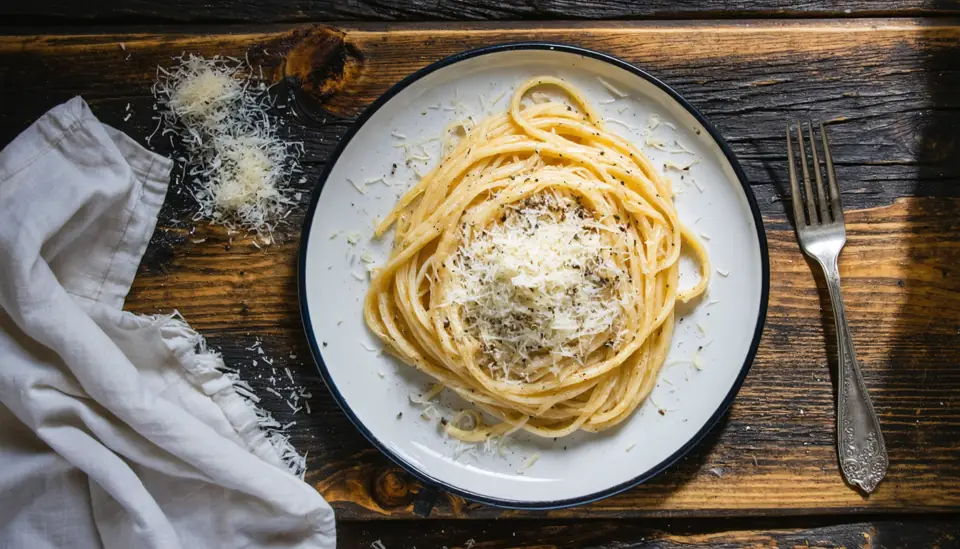
Serve right away
Plate the pasta immediately. Top with the remaining Pecorino and the last 1/4 tsp of black pepper. The sauce thickens fast as it cools, so serve and eat it quickly.
- 25g (1/4 of total) grated Pecorino
- 1/4 tsp black pepper
Mix the eggs and cheese
In a bowl, beat the egg yolks, whole eggs and about three-quarters of the grated Pecorino until smooth. Stir in 3/4 tsp of the black pepper. This thick mixture will become the sauce.
- 6 egg yolks
- 2 whole eggs
- 75g (3/4 of total) grated Pecorino
- 3/4 tsp black pepper
✅ Done when: the mixture is smooth and thick, like a loose paste
Cook the pasta
Bring the water to a strong boil in a large pot and add the salt. Cook the pasta for 1 minute less than the packet says, so it stays a little firm. Before draining, scoop out a full mug of the cooking water and set it aside.
- 400g pasta
- 1 tbsp salt
- 4 L water
✅ Done when: pasta still feels slightly firm when you bite it
Crisp the guanciale
While the pasta cooks, put the strips in a large frying pan while it is still cold, then turn the heat to medium. Cook for 8–10 minutes, stirring now and then, until the fat melts and the meat turns golden and crispy. No oil is needed.
- 200g
✅ Done when: golden brown, crispy, and sitting in its own melted fat
Let the pan cool a little
When the is crispy, take the pan off the heat completely and let it sit for about 1 minute. If the pan is too hot, the eggs will scramble instead of making a sauce.
✅ Done when: pan feels warm, not sizzling hot, to the back of your hand
Add the pasta to the pan
Drain the pasta and put it straight into the pan with the and its fat. Toss well with tongs so every strand gets coated.
- 400g cooked pasta
- 200g (all, from step 3) and its rendered fat
Make the sauce
With the pan off the heat, pour the egg and cheese mixture over the pasta. Toss quickly and nonstop for 30–60 seconds, adding the reserved pasta water a spoonful at a time, until the sauce turns smooth and creamy and clings to the pasta.
- all of it, from step 1 egg and cheese mixture
- a few spoonfuls, as needed, from step 2 reserved pasta water
✅ Done when: sauce is glossy, creamy, and coats every strand without pooling
Serve right away
Plate the pasta immediately. Top with the remaining Pecorino and the last 1/4 tsp of black pepper. The sauce thickens fast as it cools, so serve and eat it quickly.
- 25g (1/4 of total) grated Pecorino
- 1/4 tsp black pepper
The Story Behind the Dish
While carbonara has ancient roots, the dish we know today was born in Rome in the 1940s. The most popular story traces it to the liberation of Italy in WWII, when American soldiers brought bacon and egg rations to the poor Roman restaurants. These ingredients were combined with local pasta and pecorino cheese to create something ingenious.
The name 'carbonara' likely comes from 'carbonaro' (charcoal burner), as the generous black pepper resembled coal dust — or from the idea that it was a hearty meal for carbon workers. By the 1950s, carbonara appeared in Italian cookbooks and spread worldwide.
Today it is one of the cornerstones of Roman cuisine, a testament to making something extraordinary from humble ingredients.
⭐ Why It's Famous
Carbonara represents the genius of Roman cooking: five simple ingredients (eggs, guanciale, pecorino romano, black pepper, pasta) combining into a creamy sauce without a single drop of cream. Its apparent simplicity hides real technique, and locals fiercely defend the authentic version.
💡 Fun Fact
The international version with cream and mushrooms is considered sacrilege in Rome. In 2021, a British chef was publicly ridiculed by Italian food authorities for adding cream to carbonara.
Rome, Italy
41.90°N, 12.50°E
Related recipes
Comments (0)
No comments yet. Be the first to share your thoughts!