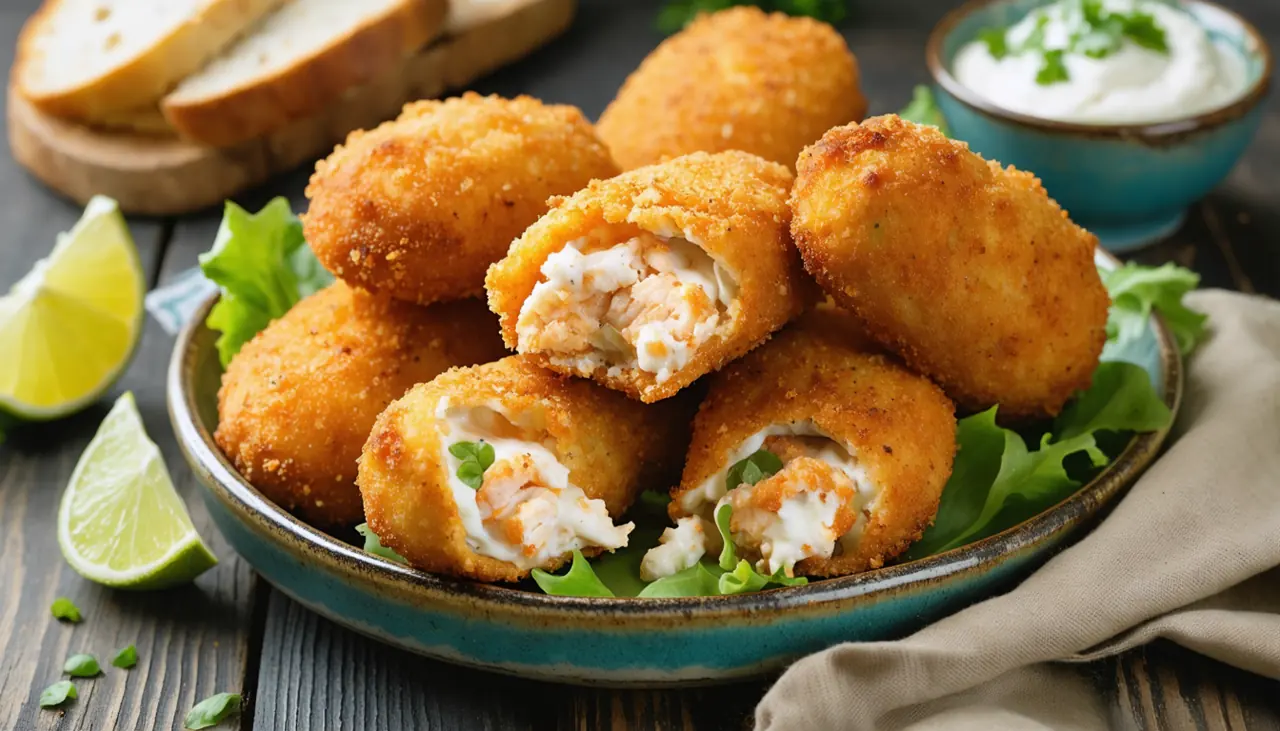
Cuban Fish Croquettes (Croquetas de Pescado)
Crisp, golden croquettes with a creamy filling of flaked fish folded into a rich béchamel, double-breaded for extra crunch. A classic snack from Cuban cafeterías, perfect on their own or stuffed into Cuban bread.
Servings
Ingredients
Nutrition
Per serving
Steps
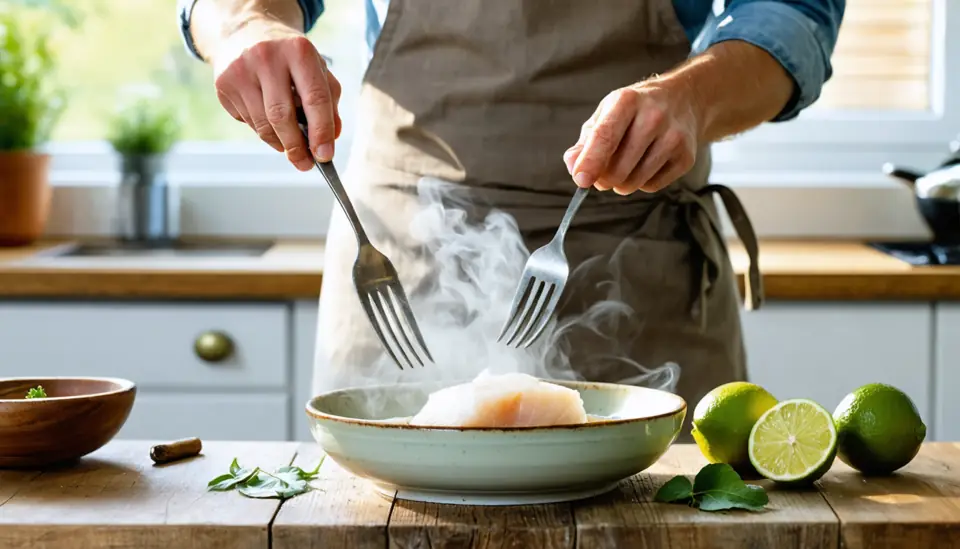
Poach and flake fish
Place the fish in a pot with the bay leaf, lime juice, a good pinch of salt and enough water to cover. Bring to a gentle simmer and cook until the fish is opaque and flakes easily with a fork, about 8–10 minutes. Drain well, let cool slightly, then flake finely with your fingers or two forks, checking carefully for any stray bones.
- 500 g white fish fillets
- 1 bay leaf
- 1 lime juice
- pinch salt
✅ Done when: the fish is opaque, flakes apart easily, and is fully checked for bones
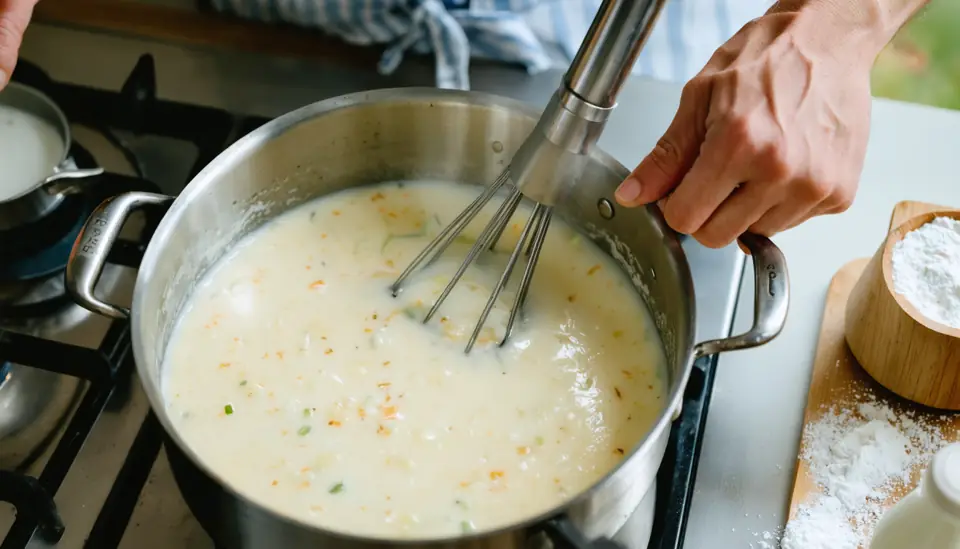
Make the sauce
Melt the butter in a heavy-bottomed pot over medium-low heat. Add the onion and garlic and cook gently, stirring often, until soft and translucent, about 4–5 minutes. Sprinkle in the flour and stir constantly for 1–2 minutes, then whisk in the warm milk a little at a time until smooth, cooking and stirring until very thick, about 10 minutes more.
- 60 g butter
- 1 onion
- 2 cloves garlic
- 60 g flour
- 500 ml warm milk
✅ Done when: the sauce is thick enough that a spoon dragged through it leaves a clear path on the bottom of the pot
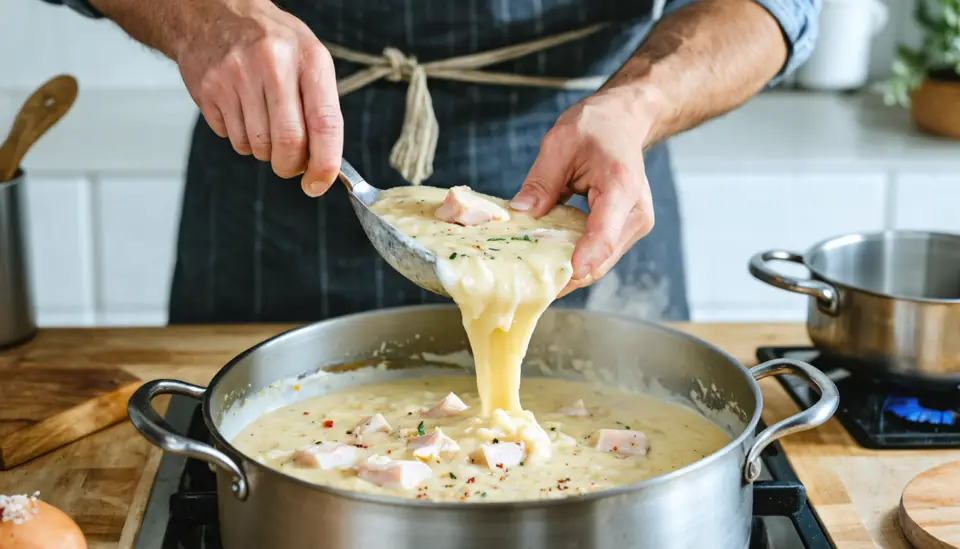
Fold in the fish
Stir the nutmeg, sherry (if using), and salt and pepper into the thick sauce. Add the flaked fish and mix until fully combined, cooking for 1–2 minutes more so the filling binds together into a thick paste.
- 1/4 tsp nutmeg
- 1 tbsp sherry
- to taste salt and pepper
- 500 g flaked fish
✅ Done when: the mixture is one dense, scoopable mass with no loose liquid
Chill until firm
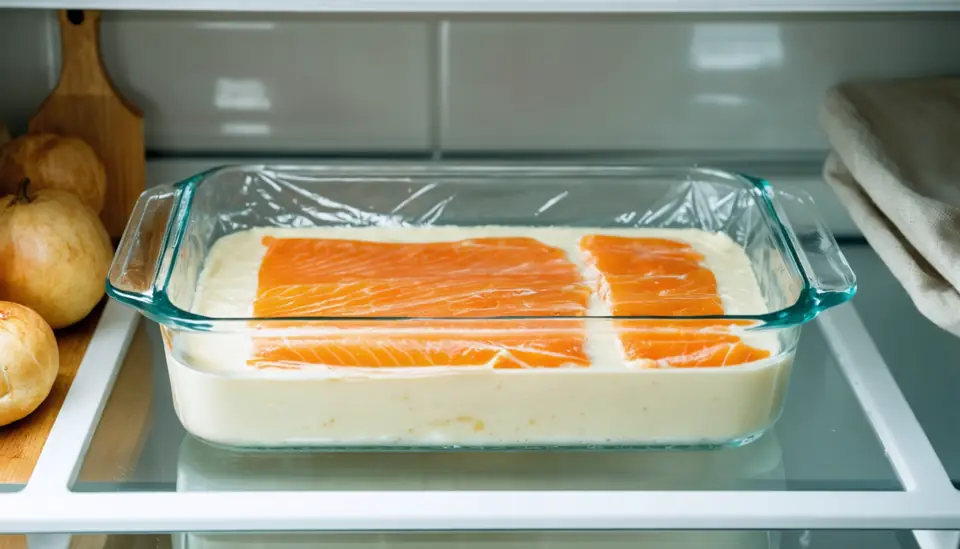
Spread the mixture onto a tray or shallow dish, cover, and refrigerate for at least 4 hours, or overnight. This step is essential: a cold, firm filling is what lets you shape neat croquettes that hold together in the fryer.
✅ Done when: the mixture is cold and firm enough to roll without sticking to your hands
Shape and bread
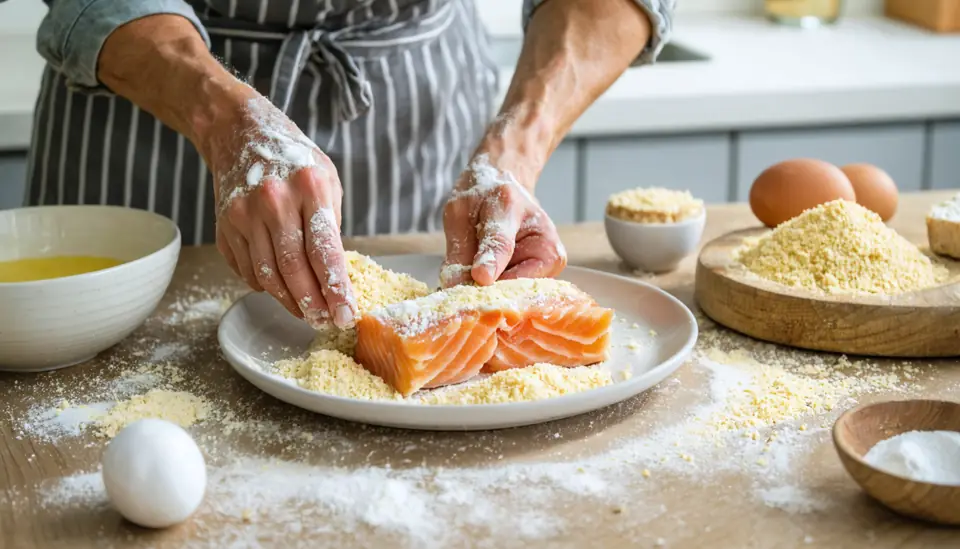
With lightly floured or damp hands, scoop about 2 tablespoons of the mixture and roll into small logs, about 6 cm long. Roll each log in breadcrumbs, dip in the beaten egg, then roll again in breadcrumbs so the coating is sealed on all sides.
- 200 g breadcrumbs
- 2 beaten eggs
✅ Done when: every croquette is fully and evenly coated, with no wet filling showing through
Fry until golden
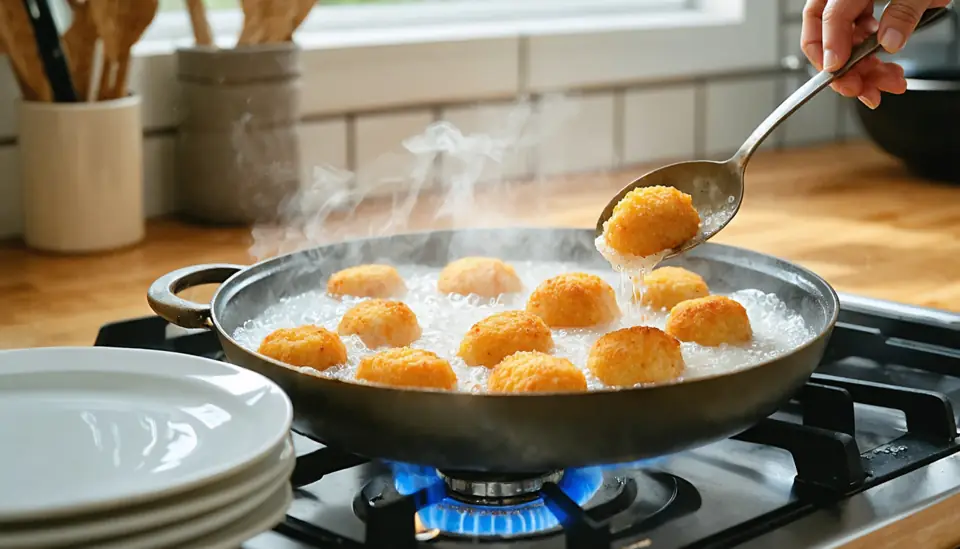
Heat the oil in a deep pot to 175°C (350°F). Fry the croquettes in batches of 5–6, without crowding, for 2–3 minutes, turning once, until deep golden brown all over. Drain on paper towels and serve hot.
- 1 litre oil, for frying
✅ Done when: the crust is deep golden brown and sounds crisp when tapped
Poach and flake fish
Place the fish in a pot with the bay leaf, lime juice, a good pinch of salt and enough water to cover. Bring to a gentle simmer and cook until the fish is opaque and flakes easily with a fork, about 8–10 minutes. Drain well, let cool slightly, then flake finely with your fingers or two forks, checking carefully for any stray bones.
- 500 g white fish fillets
- 1 bay leaf
- 1 lime juice
- pinch salt
✅ Done when: the fish is opaque, flakes apart easily, and is fully checked for bones
Make the sauce
Melt the butter in a heavy-bottomed pot over medium-low heat. Add the onion and garlic and cook gently, stirring often, until soft and translucent, about 4–5 minutes. Sprinkle in the flour and stir constantly for 1–2 minutes, then whisk in the warm milk a little at a time until smooth, cooking and stirring until very thick, about 10 minutes more.
- 60 g butter
- 1 onion
- 2 cloves garlic
- 60 g flour
- 500 ml warm milk
✅ Done when: the sauce is thick enough that a spoon dragged through it leaves a clear path on the bottom of the pot
Fold in the fish
Stir the nutmeg, sherry (if using), and salt and pepper into the thick sauce. Add the flaked fish and mix until fully combined, cooking for 1–2 minutes more so the filling binds together into a thick paste.
- 1/4 tsp nutmeg
- 1 tbsp sherry
- to taste salt and pepper
- 500 g flaked fish
✅ Done when: the mixture is one dense, scoopable mass with no loose liquid
Chill until firm
Spread the mixture onto a tray or shallow dish, cover, and refrigerate for at least 4 hours, or overnight. This step is essential: a cold, firm filling is what lets you shape neat croquettes that hold together in the fryer.
✅ Done when: the mixture is cold and firm enough to roll without sticking to your hands
Shape and bread
With lightly floured or damp hands, scoop about 2 tablespoons of the mixture and roll into small logs, about 6 cm long. Roll each log in breadcrumbs, dip in the beaten egg, then roll again in breadcrumbs so the coating is sealed on all sides.
- 200 g breadcrumbs
- 2 beaten eggs
✅ Done when: every croquette is fully and evenly coated, with no wet filling showing through
Fry until golden
Heat the oil in a deep pot to 175°C (350°F). Fry the croquettes in batches of 5–6, without crowding, for 2–3 minutes, turning once, until deep golden brown all over. Drain on paper towels and serve hot.
- 1 litre oil, for frying
✅ Done when: the crust is deep golden brown and sounds crisp when tapped
The Story Behind the Dish
Croquettes came to Cuba through Spanish cooking, which had in turn borrowed the technique of binding a filling with a thick béchamel from French cuisine. Cuban cooks took to the method quickly, and croquetas became an everyday fixture of cafeterías, panaderías and home kitchens, sold hot by the dozen in paper bags.
While ham croquettes are the most iconic version, fish croquettes have long been just as common, especially popular on Fridays and during Lent, and valued as a way to stretch simple white fish into a filling, satisfying snack.
⭐ Why It's Famous
They are famous for the contrast between the crisp, golden shell and the soft, creamy filling inside, a texture Cubans grew up with at lunch counters and family gatherings.
💡 Fun Fact
Croquetas are often eaten tucked inside a piece of Cuban bread, almost like a mini sandwich, a favourite quick breakfast or afternoon snack across the island and in Cuban communities abroad.
Havana, Cuba
23.11°N, -82.37°W
Related recipes
Comments (0)
No comments yet. Be the first to share your thoughts!